
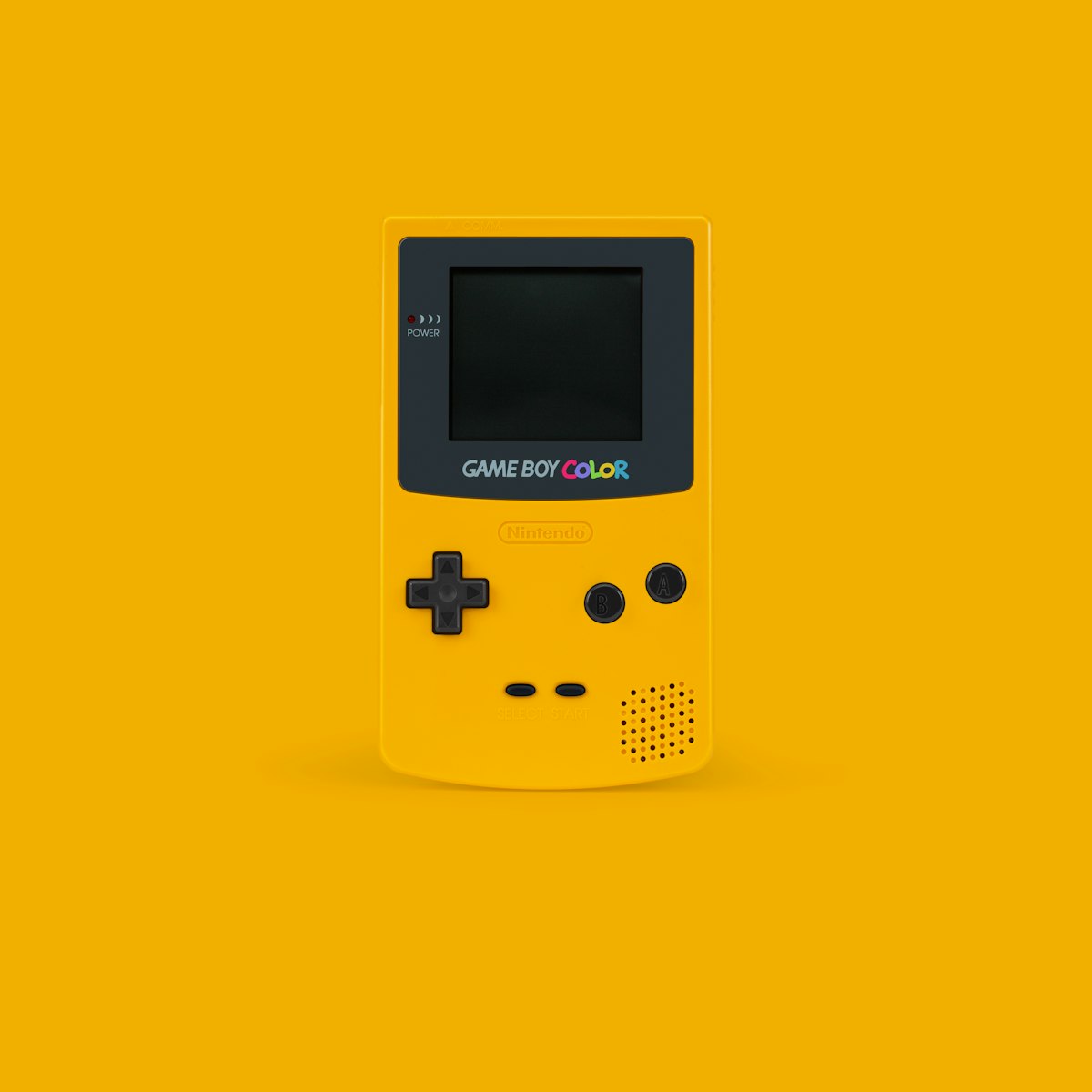
The Game Boy wasn't the most powerful handheld of its era. It wasn't even close. But it had something its rivals lacked: Tetris. And that was enough to make it one of the greatest gaming devices ever made.
The Story
When Nintendo released the Game Boy in April 1989, it faced immediate ridicule from the competition. Sega's Game Gear had a color screen. Atari's Lynx had a backlit display and faster processing. On paper, the Game Boy looked ancient by comparison.
But Gunpei Yokoi, the Game Boy's creator, had a philosophy he called "lateral thinking with withered technology" — use cheap, proven technology in clever new ways. The Game Boy's dim, greenish screen and 8-bit processor cost far less than the competition's color screens. And crucially, the battery lasted 15+ hours instead of 3 or 4.
Then came Tetris. Nintendo bundled it with the Game Boy after an extraordinary licensing saga that involved the Soviet Union, multiple competing companies, and a deal that was nearly stolen by Atari. Henk Rogers, who secured the handheld rights, later called it the most important business trip of his life.
Tetris and the Game Boy were a perfect marriage. The simple, addictive puzzle game was exactly right for short sessions on a bus or long sessions on a plane. Nintendo sold 40,000 Game Boys in Japan on launch day alone.
Over its life — through the Game Boy Pocket, Game Boy Color, and Game Boy Advance — the family sold over 200 million units. A Game Boy survived the Gulf War. One is still on display at Nintendo's offices, slightly melted from a bomb blast, and it still works.
"I wanted to make something that a child could carry. Something that would fit in a pocket."— Gunpei Yokoi, inventor of the Game Boy
Key Specs
Fun Facts
A Game Boy damaged in the Gulf War by a bomb blast was sent to Nintendo — it still worked, and is displayed at Nintendo HQ.
The original Game Boy's screen had no backlight — you had to use a lamp or a clip-on light accessory.
Tetris was nearly licensed to Atari instead — a last-minute deal by Henk Rogers gave it to Nintendo.
The Game Boy outsold the color-screened Game Gear 10-to-1 despite being technically inferior.
Legacy
The Game Boy proved that battery life and great games beat raw specs every time — a lesson that still rings true today. Nintendo's Switch, in many ways, is the spiritual successor to Yokoi's original vision.